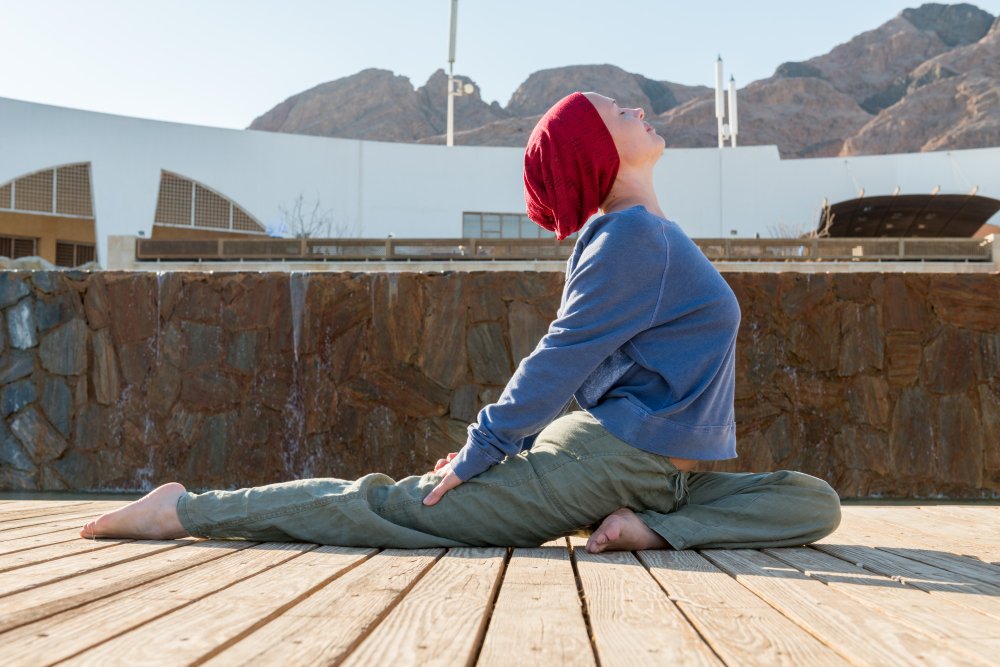
- Genuine excitement from beginner lessons to advanced spinking techniques revealed
- Understanding the Foundations of a Successful Spin
- Developing Core Strength and Stability
- The Importance of Proper Technique in Spinking
- Refining Arm Placement and Gaze Control
- Progression: Moving Beyond Basic Spins
- Safety Considerations for Advanced Spinking
- Integrating Spinking with Other Movement Arts
- The Future of Spinking and Continued Exploration
Genuine excitement from beginner lessons to advanced spinking techniques revealed
The world of creative movement and self-expression is vast and varied, offering countless avenues for individuals to explore their physicality and artistry. Among these, the practice of spinking stands out as a dynamic and visually captivating skill, blending elements of spinning, posing, and controlled movement. While often associated with pole fitness and exotic dance, the fundamental principles of spinking can be applied across numerous disciplines, from contemporary dance and gymnastics to cheerleading and even figure skating. This article delves into the intricacies of this art form, tracing its evolution from basic techniques to advanced maneuvers, offering insights for beginners and seasoned practitioners alike.
Ultimately, spinking isn't just about the impressive visual display; it's about building core strength, enhancing body awareness, and cultivating a profound connection between mind and movement. It’s a skill that demands dedication, patience, and a willingness to push one's physical and mental boundaries. What begins as a series of tentative rotations can evolve into fluid, elegant expressions of personal artistry. We will explore the dedication needed to elevate this skill beyond a simple trick and allow a performer to truly embody the movement.
Understanding the Foundations of a Successful Spin
Before attempting any complex variations, establishing a solid foundation in the fundamental elements is paramount. This begins with mastering a stable and controlled spin. Many beginners struggle with maintaining balance and avoiding dizziness. Core engagement is the key; think of your abdominal muscles as a tight corset, providing a central point of stability. Proper posture is also critical – a straight spine, slightly tucked pelvis, and relaxed shoulders will help maintain alignment and prevent unnecessary strain. Focusing on a fixed point during the spin – often called a 'spot' – can significantly reduce disorientation. This spot should remain in your field of vision for as long as possible, providing a visual anchor. It’s important to choose a spot that isn’t moving, and to actively return your gaze to it throughout the duration of the spin.
Developing Core Strength and Stability
Building the necessary core strength doesn’t require elaborate gym routines. Simple exercises like planks, Russian twists, and leg raises can be incredibly effective. Start with short sets and gradually increase the duration and repetitions as your strength improves. Remember to focus on maintaining proper form throughout each exercise to avoid injury. Pilates and yoga are also excellent complementary practices, promoting core stability, flexibility, and body awareness. Incorporating these disciplines into your training regimen can significantly enhance your ability to control and execute spins with precision and grace. It’s useful to find a qualified instructor, particularly when starting, to ensure correct form and technique and to avoid potential injury. Consistency is more important than intensity, so even short, regular workouts will yield better results than infrequent, strenuous sessions.
| Plank | 3 sets, hold for 30-60 seconds | Core stability, full body engagement |
| Russian Twists | 3 sets, 15-20 reps per side | Oblique strength, rotational control |
| Leg Raises | 3 sets, 15-20 reps | Lower abdominal strength, core stabilization |
Beyond these foundational exercises, remember the importance of warm-up and cool-down routines. A dynamic warm-up prepares your muscles for movement, increasing blood flow and flexibility. A cool-down helps to reduce muscle soreness and improve recovery. Incorporating these routines into your practice will not only enhance your performance but also minimize the risk of injury.
The Importance of Proper Technique in Spinking
Once a basic spin is established, the focus shifts to refining technique. Proper technique isn’t just about aesthetics; it’s about maximizing efficiency, minimizing effort, and preventing injuries. One common mistake is relying too heavily on momentum. A truly controlled spin is powered by core engagement and precise muscle activation, not simply by flinging yourself around. Another crucial aspect is maintaining a consistent axis of rotation. Imagine an invisible line running through the center of your body – this line should remain stable and aligned throughout the spin. Any deviation from this axis will disrupt your balance and make it more difficult to control the movement. Paying attention to the subtleties of your form – the position of your arms, the angle of your hips, the alignment of your spine – can make a significant difference in the quality of your spins.
Refining Arm Placement and Gaze Control
Arm placement plays a surprisingly crucial role in spinking. Different arm positions can affect your speed, stability, and overall aesthetic. Arms extended to the sides create a wider, more stable base, while arms pulled closer to the body increase rotational speed. Experimenting with different arm positions will allow you to discover what feels most comfortable and effective for your body. As mentioned earlier, gaze control is paramount. Fixating on a spot and actively returning your gaze to it during the spin will help maintain balance and reduce dizziness. Avoid letting your head flop around – keep your chin tucked slightly and your neck relaxed. Practicing with a mirror can be invaluable for observing your technique and identifying areas for improvement. Record yourself performing spins and analyze the footage to pinpoint any inconsistencies or inefficiencies.
- Maintain a strong core throughout the spin.
- Keep your spine straight and your shoulders relaxed.
- Focus on a fixed point to maintain balance.
- Experiment with different arm positions to find what works best for you.
- Practice consistently and be patient with your progress.
It’s also crucial to listen to your body. If you feel pain, stop immediately. Pushing through pain can lead to serious injury. Rest and recovery are just as important as training. Allow your muscles time to repair and rebuild, and don’t be afraid to take days off when needed. Remember that progress isn’t always linear; there will be plateaus and setbacks. Stay motivated by focusing on your goals and celebrating your achievements.
Progression: Moving Beyond Basic Spins
Once you’ve mastered the fundamentals and refined your technique, you can begin to explore more advanced variations. This might involve incorporating different arm and leg movements, changing your body position during the spin, or transitioning between spins. Some popular variations include the figure-four spin, the corkscrew spin, and the butterfly spin. Each of these variations requires a different set of skills and techniques. It's important to approach these progressions gradually, building upon your existing foundation. Don’t attempt anything too ambitious too soon. Break down the movement into smaller, more manageable steps, and practice each step until you feel confident before moving on to the next. Understanding the biomechanics of each spin is also helpful. Knowing which muscles are engaged and how your body weight is distributed will allow you to execute the movement more efficiently and safely.
Safety Considerations for Advanced Spinking
Advanced spinking carries a higher risk of injury. It’s essential to take appropriate safety precautions. Always warm up thoroughly before practice. Ensure that you have adequate space and a safe surface to spin on. Consider using mats or padding to cushion falls. If you’re practicing with a pole, make sure it is securely mounted and in good condition. It’s also a good idea to have a spotter present, especially when attempting new or challenging variations. A spotter can provide physical support and help prevent injuries. Don’t be afraid to ask for help from experienced practitioners or instructors. They can offer valuable feedback and guidance. It’s also important to be aware of your limitations. Don’t attempt anything that you’re not physically or mentally prepared for. Pushing yourself too hard can lead to injury and frustration.
- Master the basic spin before attempting advanced variations.
- Break down complex movements into smaller steps.
- Warm up thoroughly and cool down properly.
- Ensure a safe practice environment.
- Consider using a spotter.
- Listen to your body and rest when needed.
Remember that spinking, like any physical discipline, is a journey. There will be challenges and setbacks along the way, but the rewards – increased strength, improved body awareness, and the sheer joy of movement – are well worth the effort.
Integrating Spinking with Other Movement Arts
The skills cultivated through spinking are highly transferable to other movement-based disciplines. Dancers, for instance, can leverage the core strength, balance, and body awareness developed through spinning to enhance their technique and artistry. Gymnasts can incorporate spinking elements into their routines to add visual flair and complexity. Even practitioners of martial arts can benefit from the improved coordination and spatial awareness that spinking fosters. The ability to control one's body in three-dimensional space is a valuable asset in any physical pursuit. Furthermore, the artistic expression inherent in spinking can inspire creativity and innovation in other areas of movement, leading to unique and captivating performances. It encourages experimentation and a deeper understanding of one’s own physicality.
By cross-training and integrating spinking with other disciplines, individuals can unlock new levels of performance and expand their creative horizons. This interdisciplinary approach can also help prevent plateaus and maintain motivation. It's a reminder that movement is interconnected, and that skills learned in one area can often be applied to others. Exploring these connections can lead to a more holistic and fulfilling practice.
The Future of Spinking and Continued Exploration
The evolution of spinking continues, driven by the creativity and innovation of practitioners around the world. New techniques and variations are constantly being developed, pushing the boundaries of what’s possible. Social media platforms have played a significant role in this evolution, providing a space for sharing ideas, showcasing performances, and connecting with other enthusiasts. Online communities and workshops offer opportunities for learning and collaboration. The accessibility of information has democratized the art form, allowing more people to explore its potential. This continued exploration promises to further refine techniques, enhance safety, and inspire new forms of artistic expression through movement.
Looking ahead, we can anticipate a greater emphasis on injury prevention and the development of standardized training methodologies. As spinking gains wider recognition, it's important to ensure that practitioners have access to safe and effective instruction. This will require a collaborative effort between educators, researchers, and practitioners, incorporating elements of biomechanics, kinesiology, and athletic conditioning. The future holds exciting possibilities for the growth and evolution of this captivating art form, allowing more individuals to experience the transformative power of spinning and movement.